
0
26 Nov 2025

Naming ‘the elephant’ Builds Connection

Last week, I walked into my presentation with a bandage on my forehead. Before I started, I told the students what happened: I had tripped, hit my forehead, and ended up with a small cut.

Why did I start there? Because otherwise it would have been the elephant in the room and kids always notice ‘the elephant’. If we don’t explain, they fill in the gaps with their own guesses, worries, or assumptions.

Sharing what’s happening shows kids that it’s okay to notice, ask questions and share how they feel – the keys to building connection with kids in everyday interactions.

Ways to Connect
1. Name it: Tell them what’s happening when they notice something.
2. Keep it simple: A short, honest explanation is enough.
3. Invite conversation: Encourage questions and let them share their feelings.

When you do this, you are showing children that they can trust their observations and their feelings.

This is what I know: They will learn they are not alone, that feelings matter, and that mistakes are part of life – all essential for building connection with kids and helping them grow into compassionate, confident, and resilient people.

Until next time…

15 Oct 2025

More Than Just Trophies

In my last newsletter, I wrote about celebrating small wins for adults – those little moments that make life feel lighter, more meaningful, and remind us we’re making progress.

I began to wonder how kids see wins in their own lives, so I asked my son about small wins. He looked at me and said, “I don’t know what you mean.”

I decided to try a different question: “What’s a big win?”

At first, he said, “Winning a hockey tournament.” Then, after a pause, he changed his answer: “Having fun.”

That made me realize – this is exactly why the benefits of play for kids are so important.

For kids, it’s freedom, curiosity, and connection. It’s laughter with friends, trying new skills, and discovering what excites them. It’s the courage to stumble, get back up, and try again without fear of failure. These moments help them manage their emotions and take a break from life’s pressures, giving them space to recharge.

When children are fully engaged in what they love, they experience the benefits of play for kids firsthand – building confidence, resilience, and a sense of belonging. Joy, curiosity, and playfulness shape their character, friendships, and how they see the world.

This is what I know: Next time you see kids laughing, playing, or absorbed in what they love, remember – these aren’t just playtime moments. They’re opportunities to learn, grow, and thrive. These are the big wins that don’t come with trophies.

Until next time…

19 Feb 2025

How Connection and Awareness Help Kids Thrive

As parents and those who support kids, we all want to see them thrive—not just in school, but in life. Sure, teaching curriculum and life skills is important, but what really helps kids thrive is connection and awareness.

Connection builds trust, and awareness helps you see the world through a child’s eyes—their interests, emotions, and the way they learn. When you pay attention to what excites them, what challenges them, and what makes learning click for them, you not only unlock their potential, but you also create a space where they feel truly valued.

Take my son, for example. He struggled with math until he started working with a tutor who really ‘gets him.’ The tutor connects through my son’s love for sports, using hockey and baseball to explain math, which makes it a lot more engaging. The result? A huge boost in his confidence and grades.

This is what I know: When we take the time to recognize and nurture what makes each child unique, we’re not just supporting their education—we’re helping kids thrive by creating a space where they feel valued.

Until next time,

1 Jun 2023

The Importance of Giving Kids a Voice

Kids learn confidence by having their own voice.

Here are 4 ways they can learn to speak for themselves:

1. Give them a say in decisions about their lives. This doesn’t always mean they get what they want. It means they can participate in the discussion, voice their opinions and be heard.

2. Encourage them to make eye contact and speak to adults on their own behalf. This could begin with ordering food at a restaurant or paying for an item at the store.

3. Let them face appropriate consequences at school, or during extra-curricular activities. This teaches them to be responsible for their actions and to deal with the emotions that follow.

4. Allow them to solve their own disputes with others, only stepping in when necessary.

This is What I Know: When kids have a voice, they are more likely to be resilient, motivate themselves, take on new challenges, learn from their mistakes, take responsibility for their actions, and ask for help when they need it.

Until next time…

3 May 2023

Does Your Child Compare Themselves to Others?

I recently heard this comment from a student, ‘I look around at others and they seem to have it all. Things would be easier if I could be them. I know I would be happier.’

This is what I know: It’s OK to admire others. The danger occurs when kids believe that they would be happier if they were someone else.

People’s lives often look better from the outside. They might post perfect pictures on social media or it may seem that things come easily to them or that they are happy all the time. Reminding our children that everyone has challenges and everyone experiences difficult emotions is essential to their overall well-being.

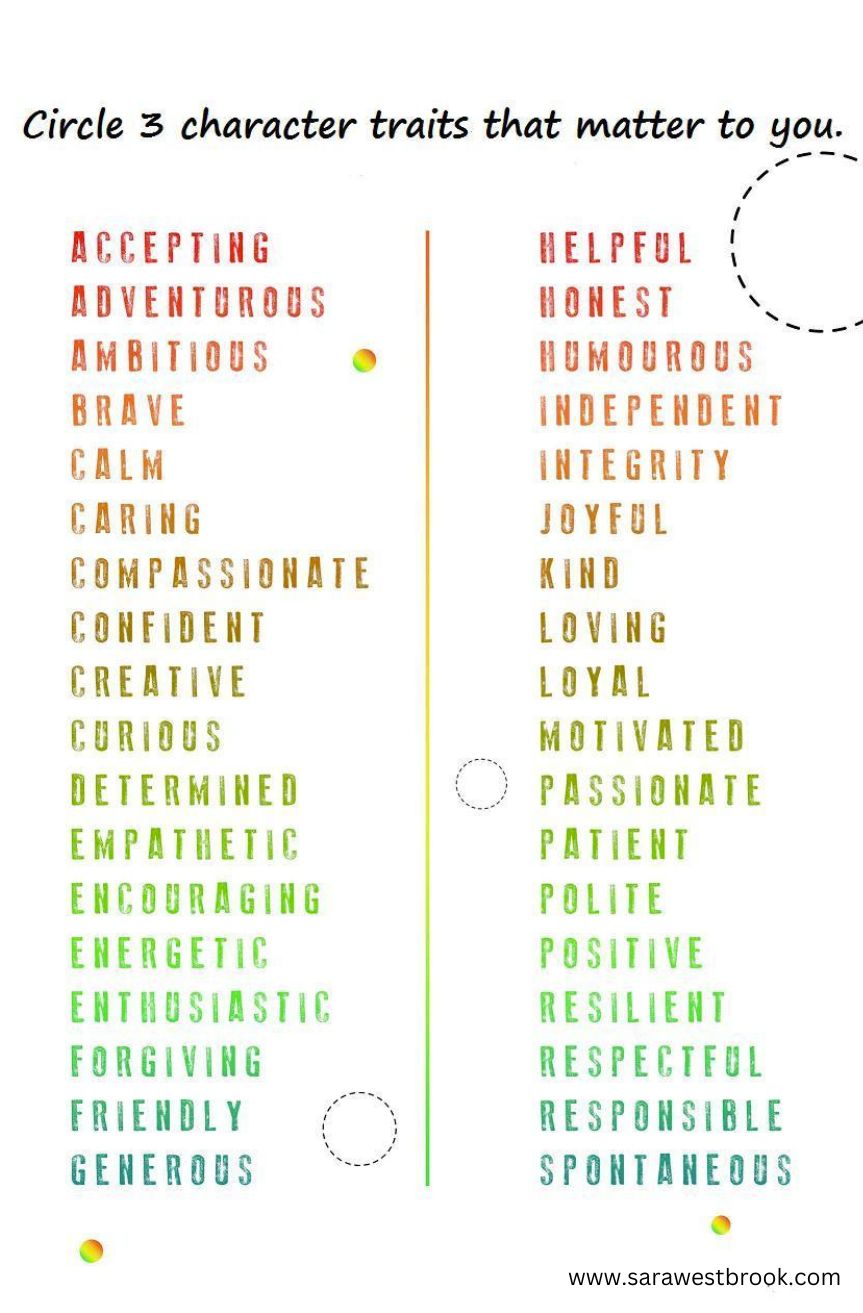
Instead of envying others, we must model and teach kids to choose to work on being the best person that they can be – to take pride in who they are and their uniqueness. Defining who they are and the character traits that are important to them helps build confidence, self-acceptance and resilience.

Here is an affirmation exercise to help your kids admire and love who they are:

Starting with ‘I am _____________and I am enough’, ask them to fill in the blank with the answer to this question: What do you want to believe about YOU? Some examples of what they could put in the blank are: confident, thoughtful, accepting, empathetic, kind.

Once completed, place it somewhere so that it is a visual reminder of what they want to believe about themselves.

Have your child repeat it daily. This will remind them that they are important, that they are somebody. It will create a feeling of happiness and pride the more they repeat and believe it.

Teaching children to celebrate and be proud of who they are compared to no one else, boosts their self-esteem, self-confidence and will ultimately make them feel capable of navigating day-to-day challenges and emotions.

Until next time…