Talking about mental health is essential. It is impacted by the emotions we experience.
We often don’t realize how much emotions impact mental health.
Our experiences might look different, but we’ve all felt anger, sadness, worry, frustration, disappointment, and overwhelm.
And still, when someone asks, “How are you doing?” many of us reply, “I’m fine.”
Not because it’s true, but because letting others know how you feel can sometimes bring guilt, shame, or the fear of being a burden.
Asking for support takes courage and strength. You don’t have to do this alone.
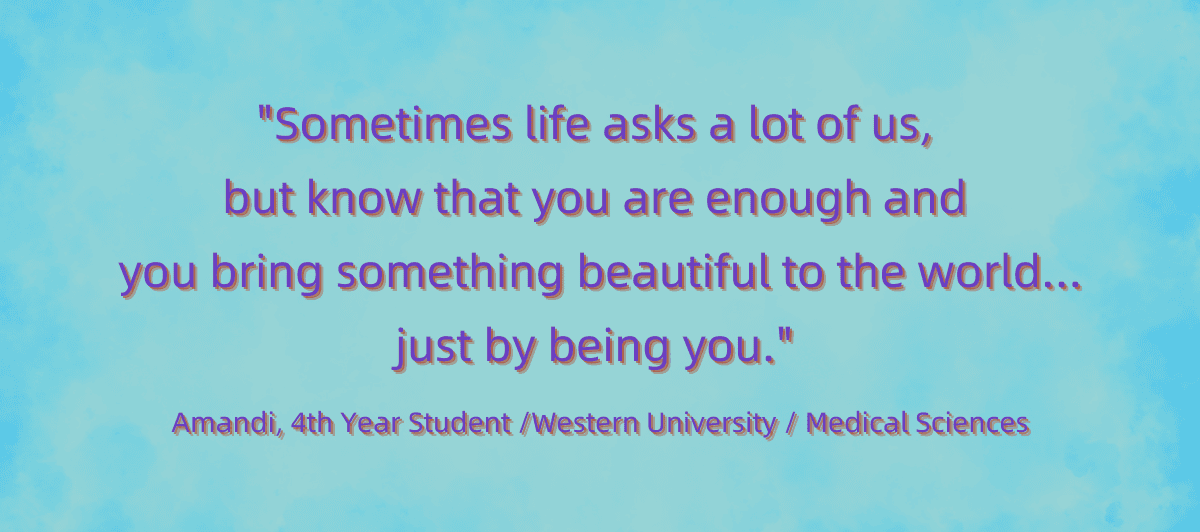
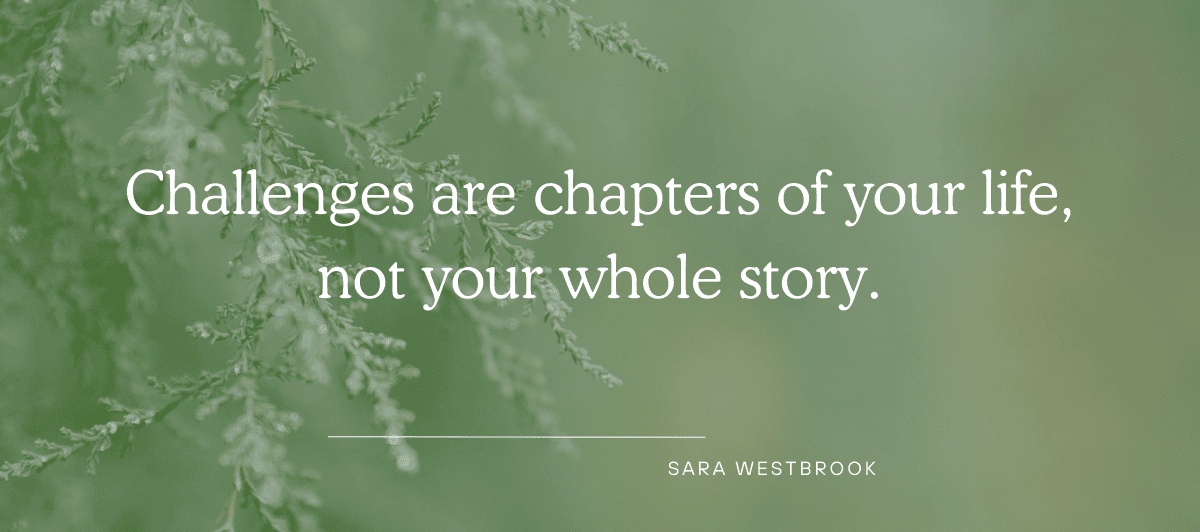
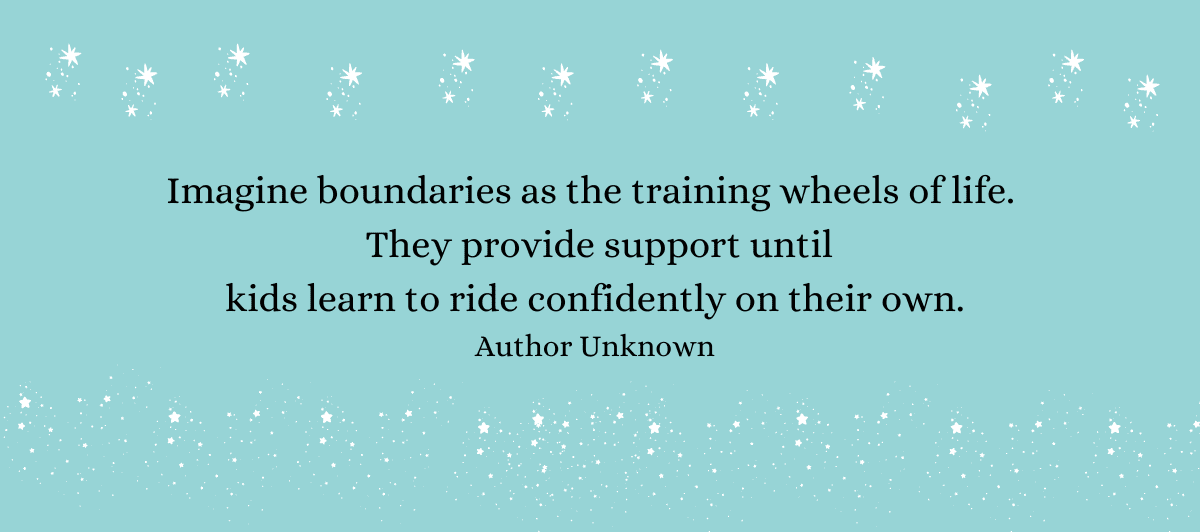
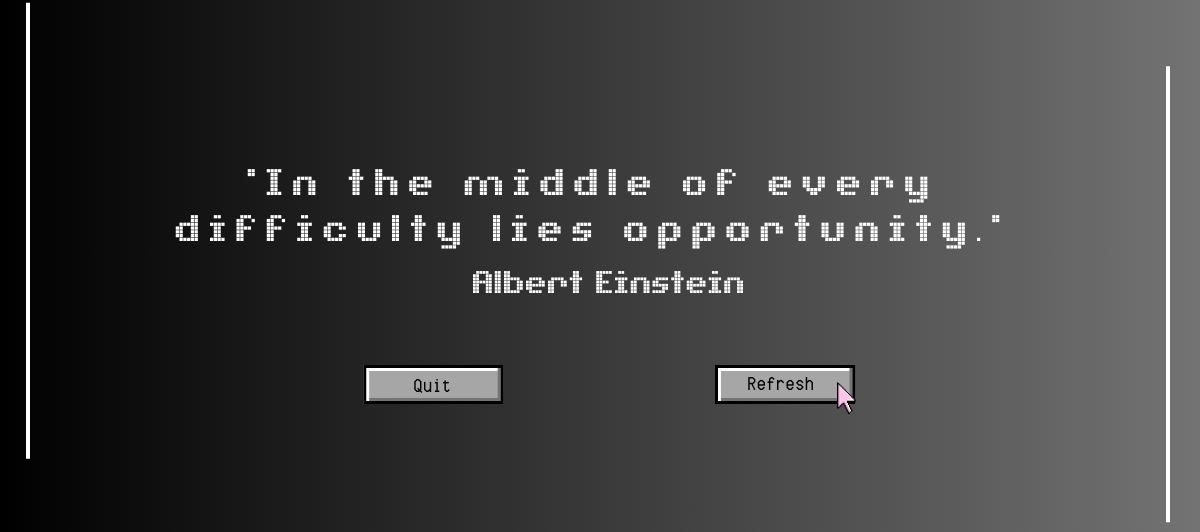
These powerful messages are displayed in my son’s room – reminders I also see every day:
It’s okay to feel.
It’s okay to ask for help.
It’s okay to not have it all figured out.
This is what I know: Your emotions matter. Your mental health matters. You matter.
Until next time…
8 Feb 2024
Crash Course on Resilience for Kids (Part One)
I’ve been hearing more and more about the lack of resilience skills in our young people particularly noticeable in the aftermath of the pandemic.
In light of this, I’ve created a crash course aimed at strengthening our children’s ‘resilience muscle’ for their overall well-being and future success. Here are the initial four strategies; stay tuned for more ways in the next newsletter.
1. Life is a series of ups and downs. Giving kids the opportunity to find solutions to challenges and mistakes, will enhance their ability to problem solve. It will also give them the confidence to face adversity.
2. Not everyone will like them. Even though that may hurt, it’s essential for children to understand that, even in the face of non-acceptance, they possess the power to love and accept themselves unconditionally.
3. It’s totally normal to experience emotions. Some moments bring happiness and joy, others cause disappointment and frustration. Challenges bring up emotions that can feel overwhelming and vulnerable. Expressing their emotions helps them communicate their needs, seek support and navigate difficulties.
4. Help them reflect on past experiences to identify challenges they have faced and overcome. This process helps them recognize their ability to navigate difficulties, fostering a sense of accomplishment. The realization that they’ve effectively dealt with challenges in the past instills the confidence required to approach similar situations with more calmness.
By arming children with the tools to navigate life’s twists and turns, you empower them to face challenges with courage, learn from setbacks, and cultivate a positive mindset. The efforts you put in today will shape their well-being and success for the future.
Until next time…
7 Dec 2023
Parenting with Love Through Life’s Boundaries
In our ongoing endeavour to establish healthy boundaries that nurture the mental and emotional well-being of our children, there are three challenges that often come up to test our efforts:
1. Desire to be liked: You may worry your children won’t like you when enforcing boundaries and consequences. While it isn’t pleasant to hear your child yelling, ‘I don’t like you’, it doesn’t mean they don’t. What they are really saying is, ‘I don’t like your boundaries. I don’t like your consequences.’ Understanding this, helps you respond with the intent of encouraging growth rather than reacting solely from the emotions you may be triggered to feel, like anger or guilt.
2. Remembering when you were a kid: You may find yourself thinking, ‘I know what it’s like to feel disappointment and I don’t want that for my child.’ Attempting to protect them from disappointment is not in their best interest. We want kids to grow into adults that know how to manage emotions like disappointment rather than avoiding them.
3. Wanting them to make their own choices: While it’s important to encourage independence and decision-making skills, many parents make the mistake of thinking their child has the logic and reasoning of an adult and will naturally make the responsible choices (I have had those moments). Unfortunately, our children don’t have the life experiences to pull from, nor the maturity to know what might be in their best interest.
Strategies to Establish Healthy Boundaries
1. Clarity on your boundaries: Knowing what boundaries and consequences work best for your child ahead of time will stop you from making a decision in the heat of the moment – one you may later regret. Plus, letting your child know the expectation ahead of time gives them clarity and awareness.
2. Be their parent: Growing up, when I would push back on my mom’s boundaries, she would say, ‘I’m your parent and I have a job to do.’ This mindset allowed her to enforce the structure that I needed, even when I didn’t know that’s what I needed. She didn’t allow my disappointment to become her guilt. Remain sturdy. Remember you are arming your child with important life skills.
3. Stay consistent: Children thrive on consistency, and it helps them understand the boundaries that are in place. Of course, there will be times when you will fall off track, but be honest with your kids by saying, ‘I haven’t followed through with what we talked about and that’s on me. Moving forward my expectations are…(fill in the blank)’. Your kids will appreciate your honesty.
4. Preventing entitlement: Establishing clear boundaries helps prevent a sense of entitlement. When kids understand that there are limits to their wants and behaviours, they learn the valuable lesson that the world doesn’t always cater to their every wish. This realization fosters a more realistic and appreciative perspective, reducing the likelihood of entitlement.
This is What I Know: When your child pushes back – that’s their job – your role is to maintain a healthy boundary. By staying steadfast, they will learn to cope with disappointment, frustration and setbacks, essential for bouncing back from life’s challenges.
Until next time,
28 Sep 2023
Building Emotional Connection, One ‘Refresh’ at a Time
Emotions run high. Meltdowns occur. Tantrums happen.
You can’t have conflict resolution without first facing conflict.
You can’t have redirection without first creating connection.
When you have moments of despair, they need repair.
One effective strategy for enhancing conflict resolution, fostering connection, and facilitating repair is to incorporate ‘refresh’ into your resource toolbox, much like refreshing a computer when it’s bogged down and not functioning properly.
To illustrate the effectiveness of using ‘refresh’, let me share a recent circumstance involving my 11-year-old son.
The other day he experienced a really tough moment as we were about to leave the house. He wasn’t getting something he wanted within the timeframe he was hoping for. While this wouldn’t typically bother him, on that particular day it triggered an emotional storm! I should also add that he had some late nights that had obviously caught up to him, although suggesting that to him wasn’t an option.
I needed to remain calm and steady in his emotional storm – not an easy task, especially when I was frustrated, realizing we needed to leave and I wasn’t even ready! Nothing I said was helpful or comforting. I took a deep breath and stepped away, giving him the space to feel what he was feeling.
After a few minutes, I bent down to his level, knowing this wasn’t the time to question his behaviour or engage in a conversation about it. Instead, I recognized that he needed to hit the ‘refresh button’.
I looked at him and said, “I understand you’re upset that things aren’t going the way you wanted them to. I’m feeling the same way.” (this validates the emotions felt and adds connection)
I presented two options:
1. Continue with our back-and-forth.
2. Take a deep breath and ‘refresh, starting over.
He chose to ‘refresh’, and we did just that without the need to have a further conversation. We hugged and both felt a weight lifted. (this is our way of creating repair)
Despite a bumpy start, we had a wonderful day.
26 Oct 2022
Thriving through Emotional Chaos
At times it can be difficult to remain calm and thrive through the emotional chaos you might be experiencing. Your emotions seem to be all over the place. You promise yourself you won’t let your emotions get the best of you but then they do…you make a reactive choice from your emotions.
Later regret floods your brain. You wish you had taken a breath and been more self-aware of the emotions you were feeling and handled them differently.
Sound familiar?
Since emotions fluctuate and change according to the circumstance and mood you are experiencing, emotions are not a reliable place to make all choices from.
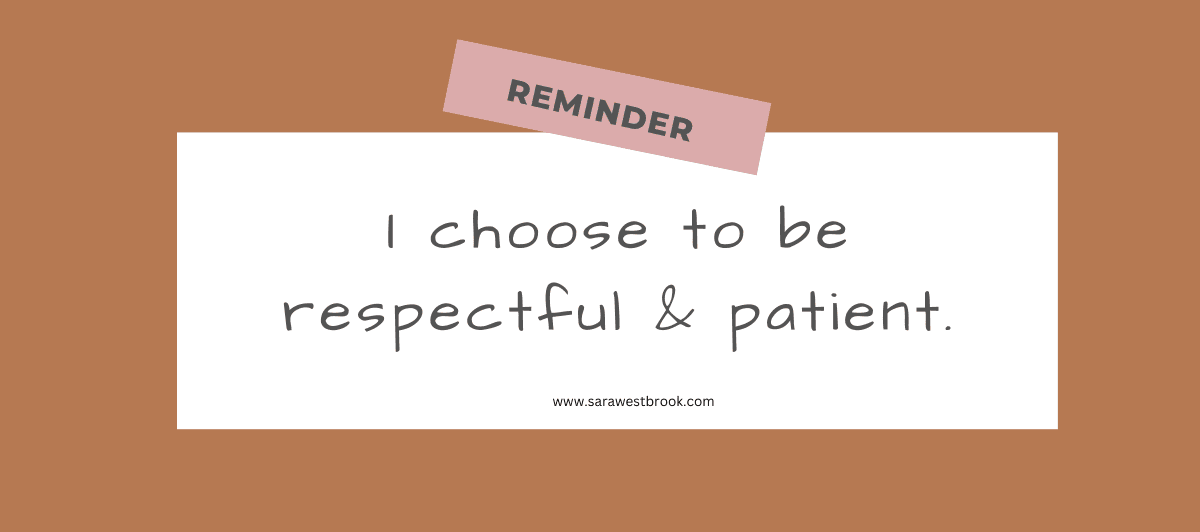
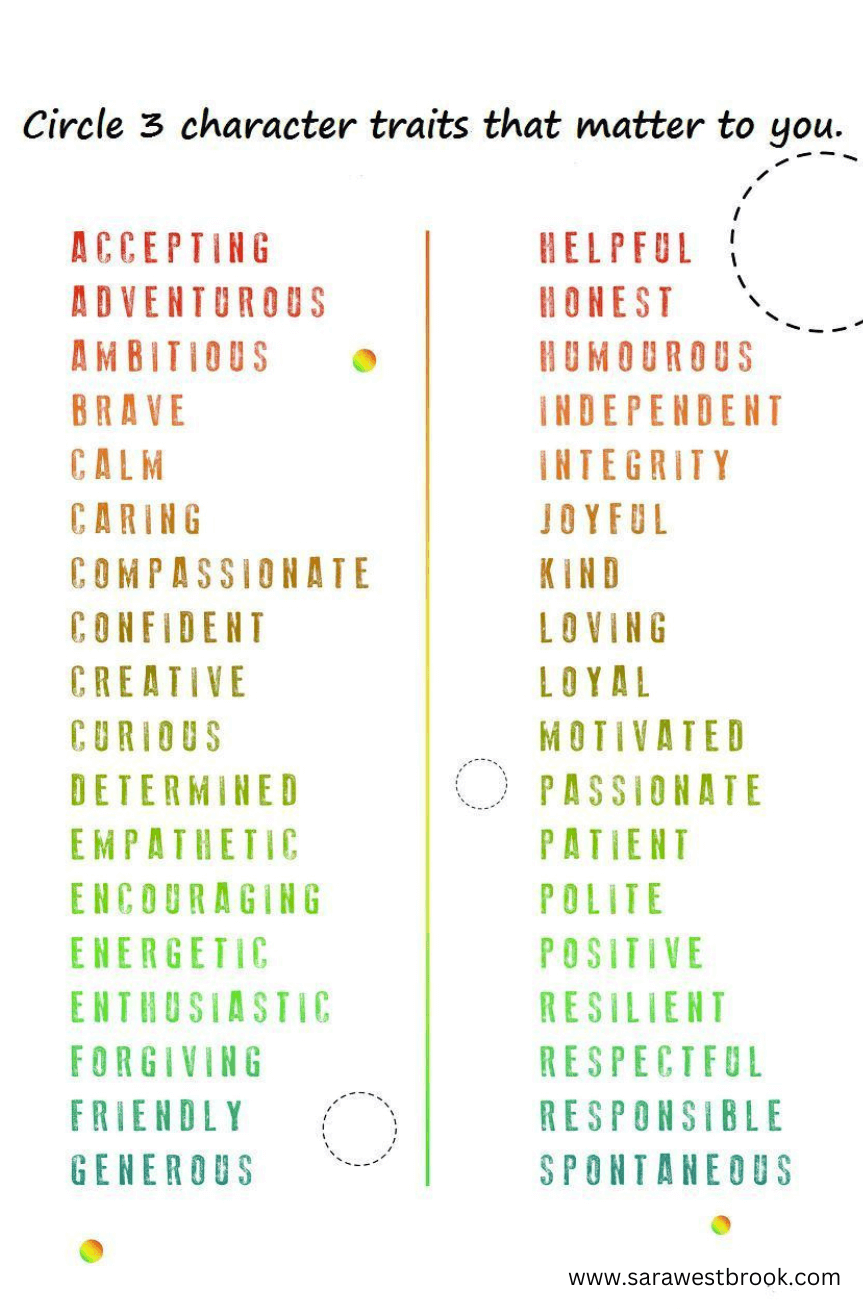
What helps me thrive through the emotional chaos so I can remain calm in order to make choices I am proud of, is keeping my character (who I believe I am), at the forefront of my mind. I repeat, ‘I choose to be respectful and patient.’ I even have it written on post-it notes as a visual reminder 😊
I remind myself that I am allowed to feel frustrated, disappointed, angry, upset (so are you). When I take a deep breath and say, ‘Sara, it’s OK to feel that way but your character is Respect & Patience’, it actually shifts my approach. It shifts my choices.
Training yourself to be conscious of the emotions you are experiencing so that you can breathe through them to make character-based choices, is essential to making choices in the moment that you can be proud of for the moments to come.

)