0
4 Feb 2026

Resilience Isn’t What You Think

Resilience isn’t just about bouncing back from what happened.

It’s about bouncing back from how it made your child feel.

When kids face challenges – a friend is unkind, a game is lost, or a mistake is made – the hardest part to manage is often their emotional reaction, not the event itself.

If a setback doesn’t trigger strong feelings, a child may move on quickly. But if it sparks anger, sadness, embarrassment, or frustration, they’re now navigating not only the circumstance, but also the intense emotions inside their body and brain.

That’s why kids emotional resilience isn’t about ignoring feelings or pushing them away. It’s about noticing emotions, understanding them, and learning how to respond in a way that helps them move forward.

I’ve created 3 kid-friendly resources you can download to help them:

  • Reflect on what they’re feeling (elephant poster)
  • Notice the emotional impact of challenges (body poster)
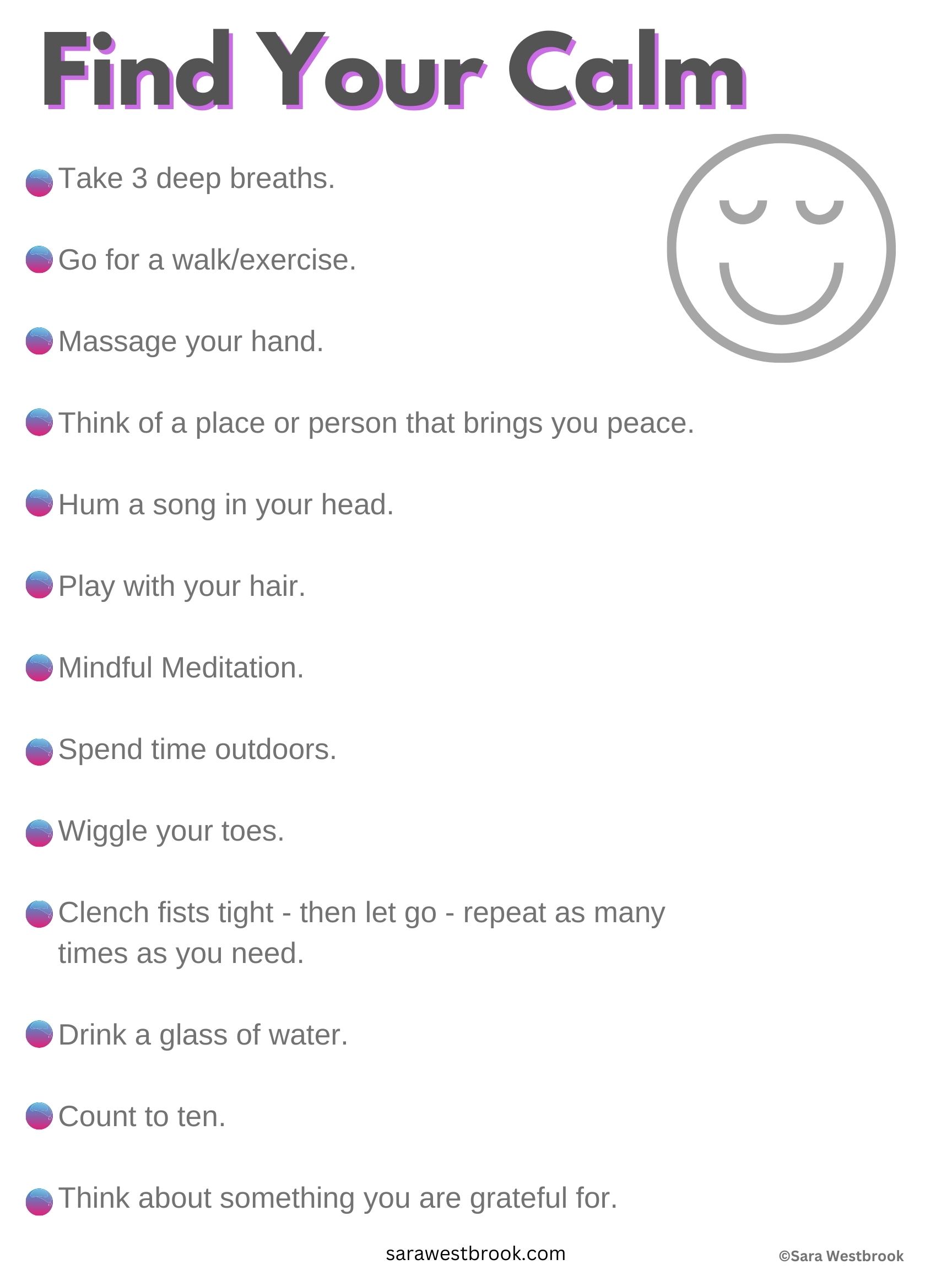
  • Practice moving forward with confidence, compassion, and clarity instead of getting stuck in the emotion (find your calm poster)

This is what I know: Each time a child pays attention to their feelings and responds calmly and clearly, they’re building skills that will help them handle the next challenge with more ease and confidence – a key part of kids emotional resilience in everyday life.

Until next time…

25 Sep 2024

Teaching Kids the Emotional Impact of Their Actions

My son was getting ready for school, but not at the pace he needed to in order to catch the bus. I started noticing a pattern – every time I reminded him to do something, he responded with, ‘I’ll do it. Just give me a minute.’

The minutes kept passing and nothing was getting done. He had tasks to complete to be ready on time, but they weren’t being done. I felt my irritation building, realizing that my frustration stemmed not only from his inaction, but also from his lack of awareness of the emotional impact of his actions.

Finally, I looked at him and said, ‘I’m feeling really irritated. You keep asking for a minute but then you don’t actually get the task done .’ He gave me a surprised look and said,’ Mom, I didn’t know that you felt irritated.’

And I thought, ‘Seriously? You didn’t realize that me asking over and over again would be irritating?’

Lightbulb moment

He’s right. I’ve been experiencing emotions and understanding how people’s actions affect others’ emotional states for much longer than he has. It’s easy to assume that our kids should know how their actions (or lack of action) affect others, but in his words, ‘I didn’t know that. I’m still learning.’

And I realized—yes—he is still learning. While our kids might be more aware of their own emotions, understanding the emotional impact of actions on others is a very different challenge. It takes time, practice, and open communication.

This is what I know:

As frustrating as these moments can be, they are opportunities for growth – for both of us. It’s a reminder to be patient, not just with our kids but with ourselves, as we guide them through the complex world of emotions. Just as learning how to read or ride a bike takes practice and patience, so does learning how to interpret and respond to the emotions of others.

Until next time…